The Truth About Pesticides in Conventional Produce
By Jimmy Jems
Introduction
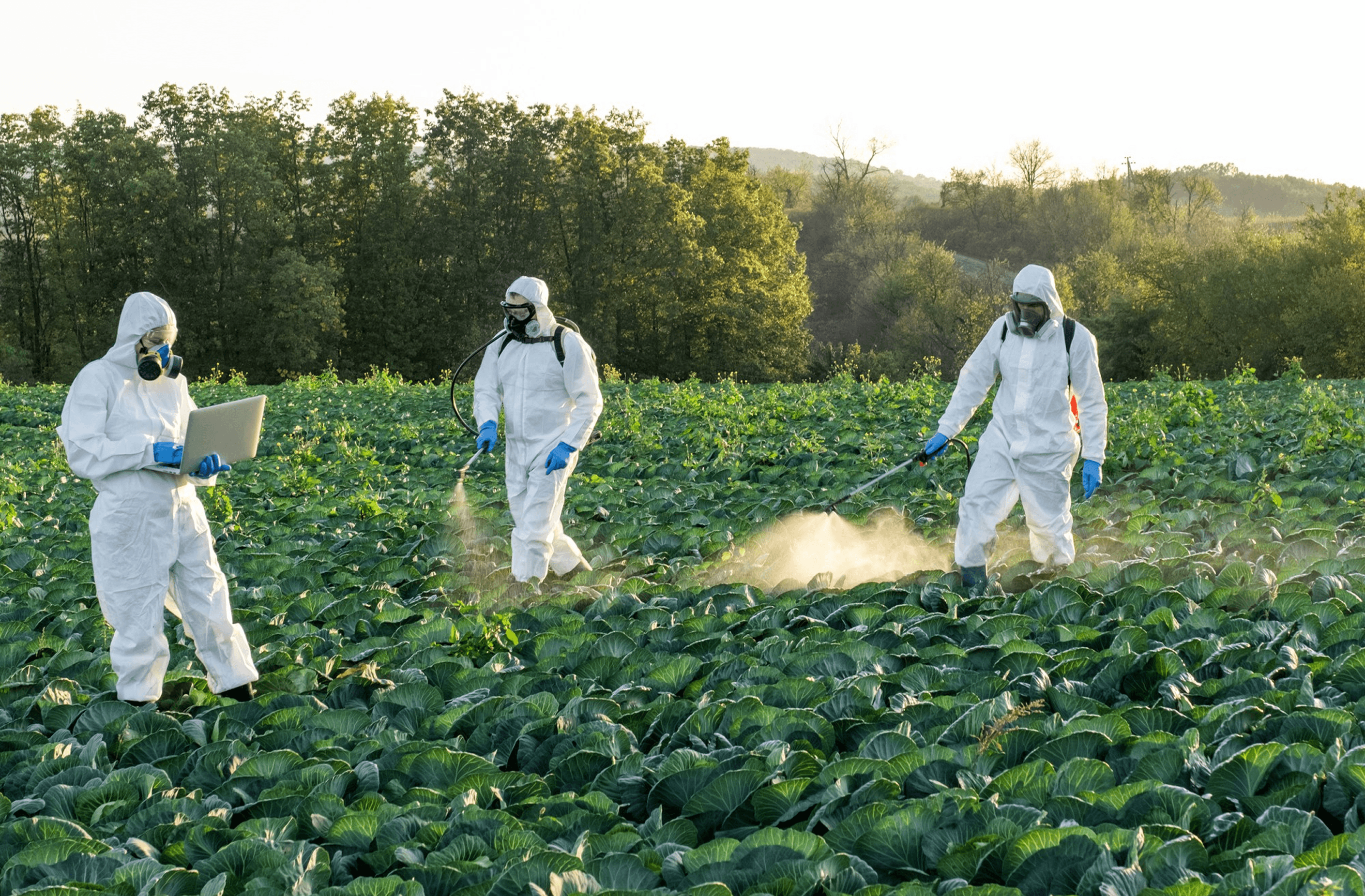
When you walk through a supermarket, the produce often looks shiny, colorful, and perfect. But what many people don’t realize is that these fruits and vegetables may be coated with harmful pesticides. Conventional farming often relies heavily on synthetic chemicals to protect crops from pests, but the long-term effects of these substances on our health and environment are alarming. Let’s uncover the truth behind pesticides in conventional produce.
What Are Pesticides?
Pesticides are chemical substances used to kill insects, weeds, fungi, and other organisms that threaten crops. While they may help farmers increase yields, many pesticides leave behind residues on fruits and vegetables that we consume daily.
Health Risks of Pesticides
Research has linked pesticide exposure to various health issues, including:
Hormonal imbalances
Weakened immune system
Respiratory problems
Increased risk of certain cancers
Children and pregnant women are especially vulnerable to these effects, as their bodies are more sensitive to toxic substances.
Environmental Impact
Pesticides don’t just stay on crops—they seep into the soil, water, and air. This can:
Harm beneficial insects like bees and butterflies.
Pollute rivers and groundwater.
Reduce soil fertility over time.
Disrupt natural ecosystems.
Why Organic Produce Matters
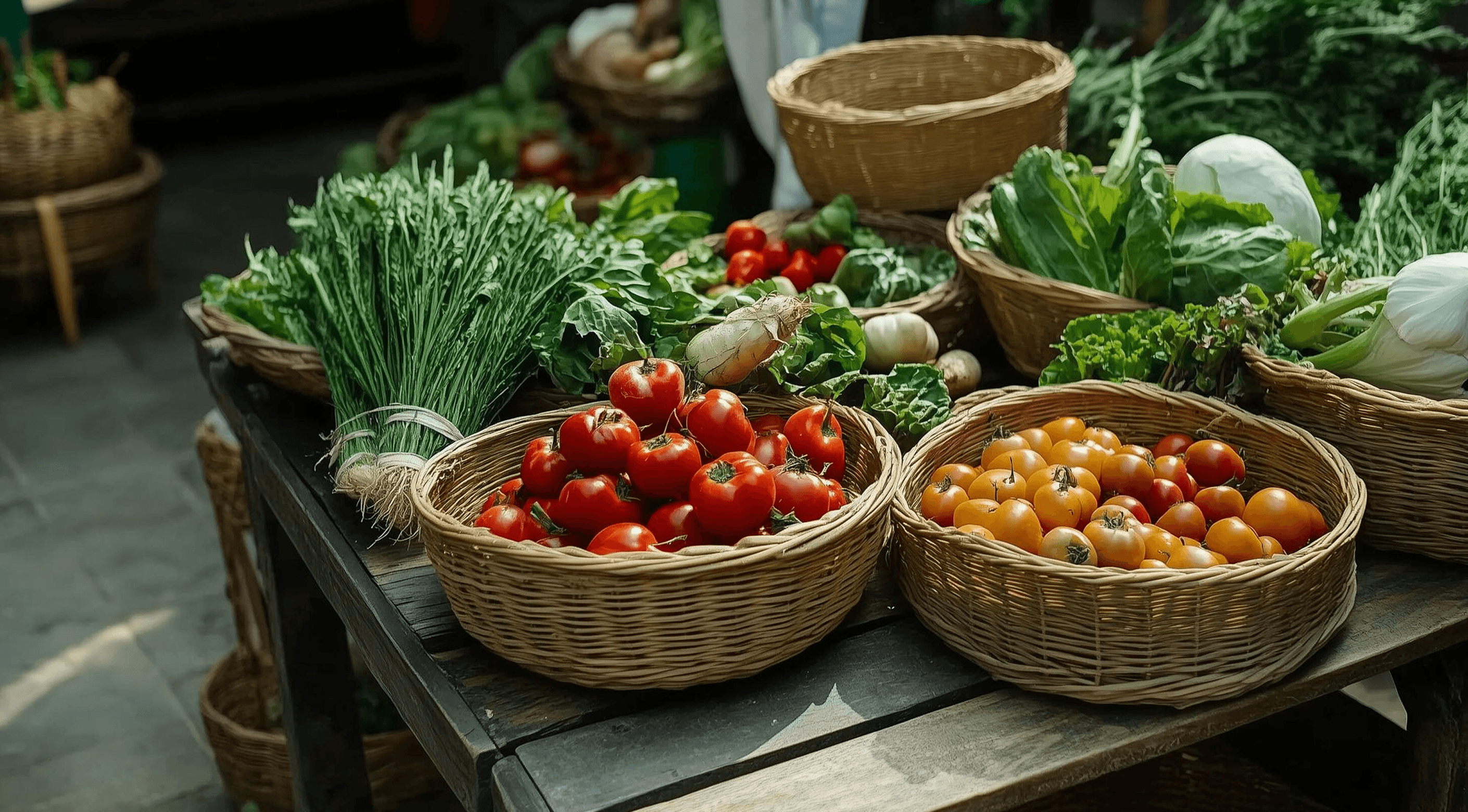
Organic farming avoids synthetic pesticides and instead uses natural methods like crop rotation, compost, and biological pest control. Choosing organic produce reduces your exposure to harmful chemicals and supports farming practices that are safer for the planet.
“Healthy food should nourish, not harm. Pesticides may protect crops, but they put our health and environment at risk. Choosing organic is choosing life”
How to Reduce Pesticide Exposure at Home
Even if you can’t always buy organic, you can still minimize pesticide intake:
Wash fruits and vegetables thoroughly.
Peel produce with thick skins like apples and cucumbers.
Buy seasonal and locally grown produce whenever possible.
Conclusion
The truth is clear: while pesticides may make conventional produce look appealing, they come with hidden health and environmental costs. By choosing organic options and practicing safe food handling at home, you protect not only your own health but also the well-being of future generations.
Blogs/News

